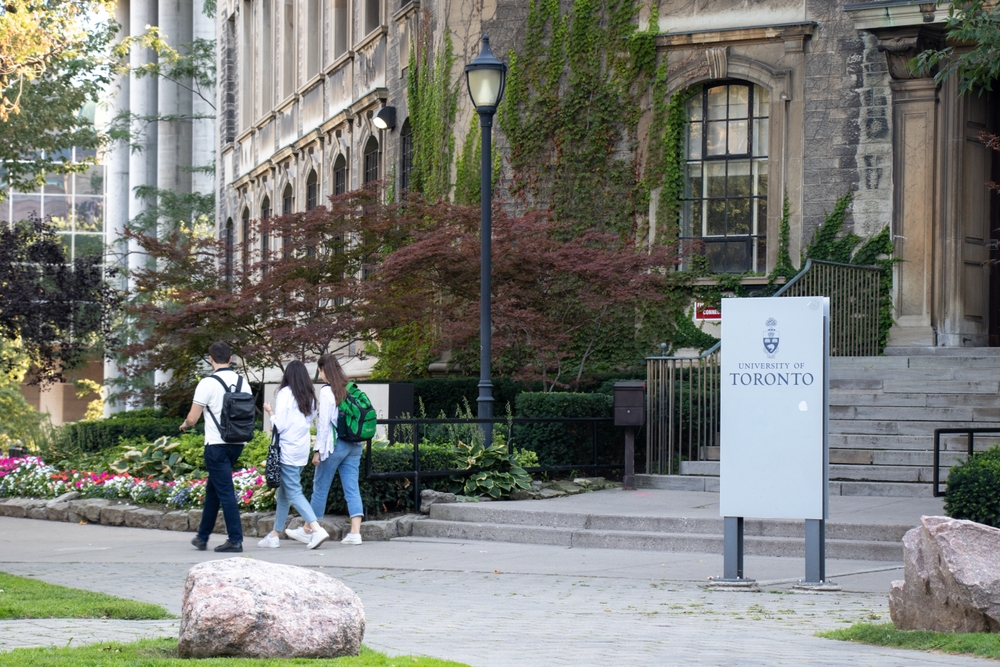
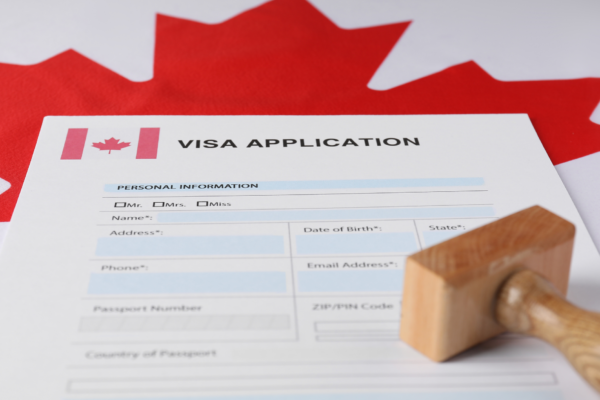
Canada’s Immigration, Refugees and Citizenship Canada (IRCC) has announced the 2026 international student cap, continuing its plan to manage temporary resident growth while keeping pathways open for top global talent.
Introduced in 2024, the international student cap limits the number of study permit applications accepted each year. Since then, the total number of study permit holders has dropped from over 1 million in January 2024 to about 725,000 by September 2025 — a significant reduction that aligns with the federal goal of bringing the temporary population down to below 5% by 2027.
Study Permit Issuance Targets for 2026
For 2026, IRCC expects to issue up to 408,000 study permits, including:
155,000 new permits for incoming students
253,000 extensions for current or returning students
This is a 7% decrease from 2025 and a 16% decrease from 2024, reflecting IRCC’s continued efforts to ensure sustainable growth within the immigration system.
Who Is Exempt from the Attestation Letter Requirement
Starting January 1, 2026, specific groups will no longer need a provincial or territorial attestation letter (PAL/TAL) when applying for a study permit. These include:
Master’s and doctoral students enrolled at public designated learning institutions (DLIs)
Primary and secondary (K–12) students
Select government-priority and vulnerable groups
Current study permit holders extending their stay at the same DLI and level of study
This exemption acknowledges the vital role of graduate research and innovation in Canada’s economy and aims to make the country more attractive to high-level international talent.
2026 Study Permit Breakdown
The total 2026 study permit target of 408,000 is distributed as follows:
49,000 for master’s and doctoral students at public DLIs
115,000 for K–12 students
64,000 for other PAL/TAL-exempt applicants
180,000 for PAL/TAL-required applicants
Provincial and Territorial Allocations
Of the 180,000 study permits expected for PAL/TAL-required cohorts, IRCC has allocated 309,670 total application spaces nationwide. Allocations are based on each province’s approval rates and population distribution, ensuring fair representation across all jurisdictions.
Ontario, Quebec, and British Columbia continue to receive the largest shares, followed by Alberta and Manitoba.
A More Sustainable Path Forward
The IRCC stated that these adjustments are part of a measured and responsible approach to ensure the long-term sustainability of Canada’s immigration system. While the cap reduces pressure on housing and education infrastructure, Canada remains committed to the implementation of the 2026 international student cap by welcoming skilled, motivated students who contribute to its economic and social development.
Consult with EV Immigration
If you’re planning to study in Canada, navigating the new international student cap and attestation letter requirements can be challenging but you don’t have to do it alone.